About Kumano I Ke Ala
Rooted in Aloha ʻĀina. Guided by Indigenous Knowledge.
Kumano I Ke Ala is a Native Hawaiian founded and led 501c3 nonprofit organization and social enterprise rooted in West Kauaʻi. We exist to restore ʻāina, revitalize traditional food systems, and cultivate the next generation of cultural practitioners and critical thinkers.
Our work is grounded in Aloha ʻĀina, a deep love and responsibility for the land that sustains us. Through education, agriculture, workforce development, and community engagement, we are building a foundation for a more self determined and sustainable Hawaiʻi.
01.
Programs
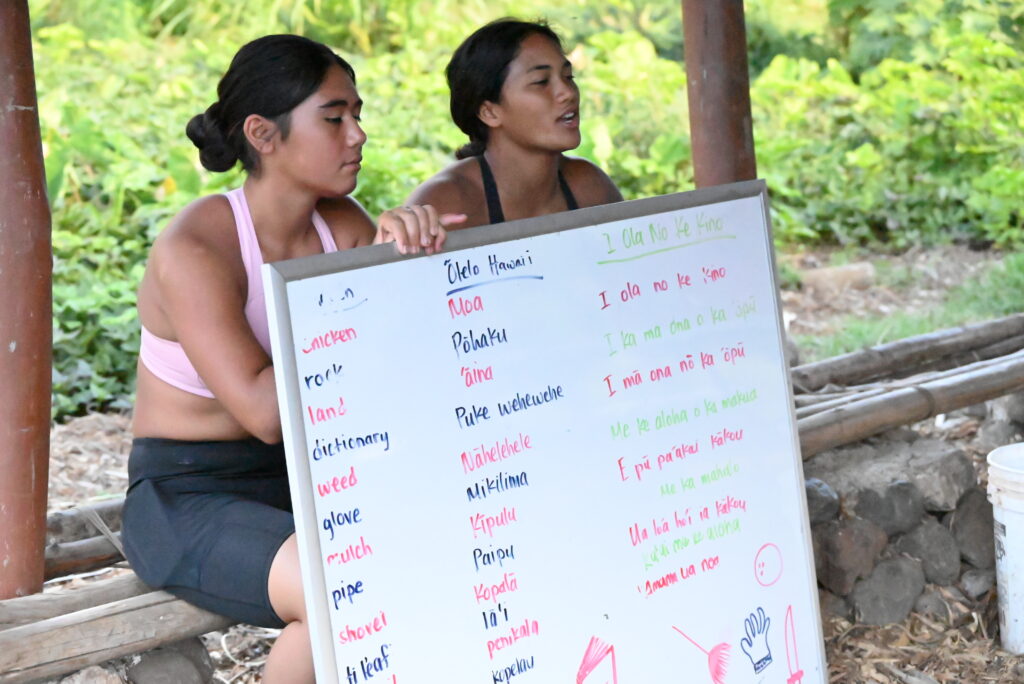
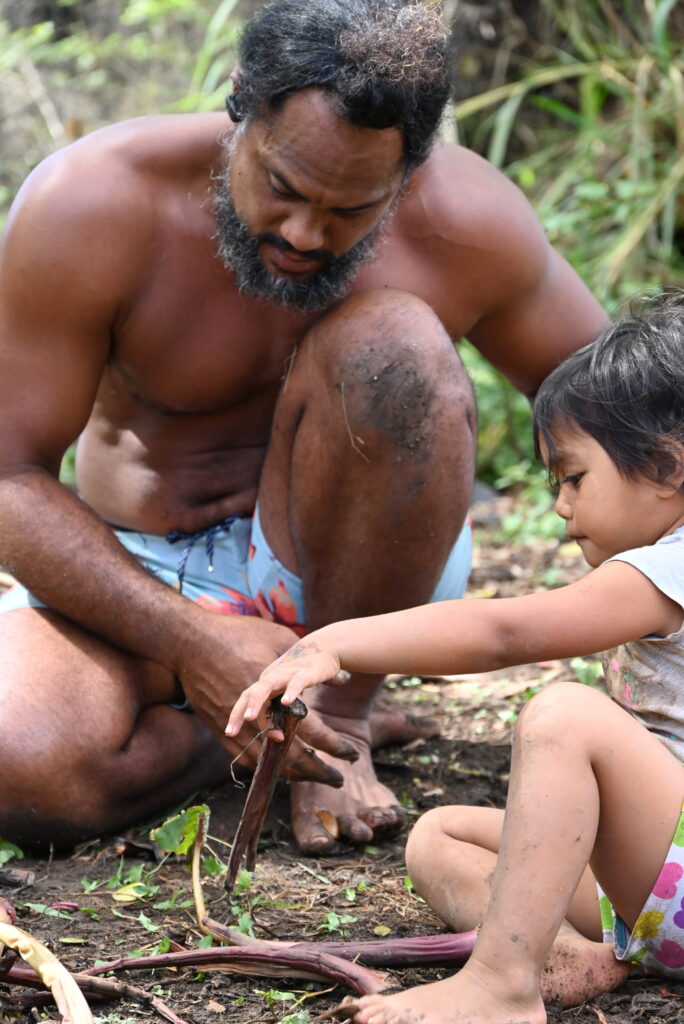
We design and deliver culturally based education programs that cultivate self aware, self determined, and self directed critical thinkers. Through ʻāina based learning, youth development, and workforce training, we engage the next generation of cultural practitioners while restoring traditional agricultural spaces.
02.
Volunteer
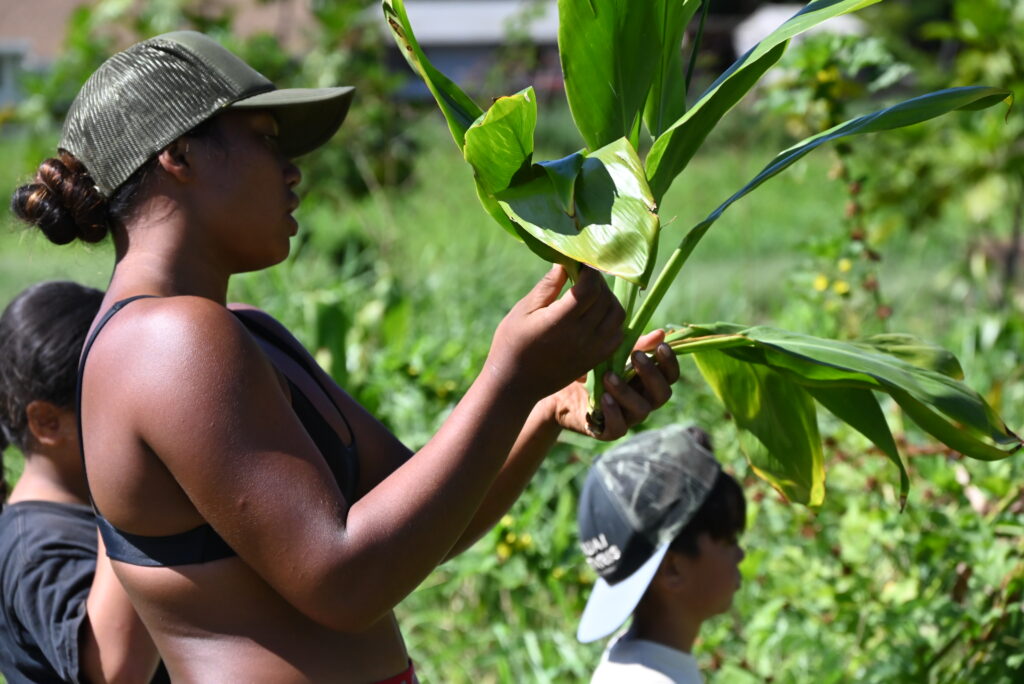
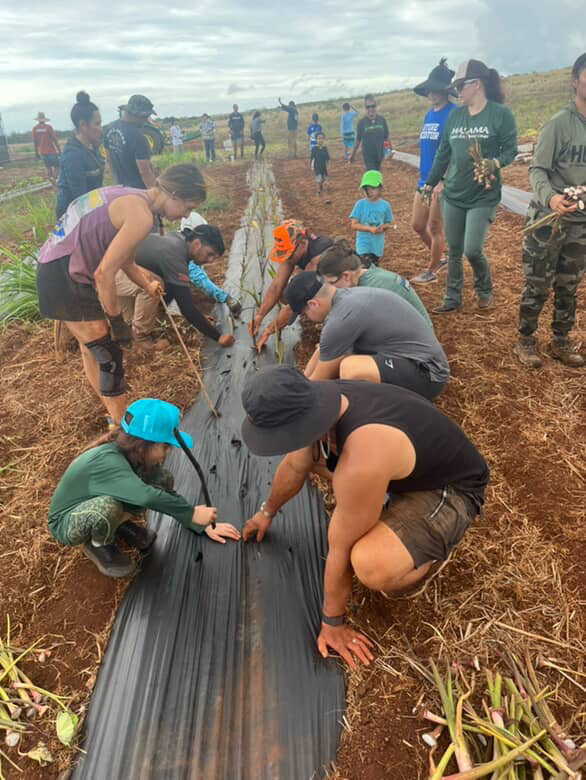
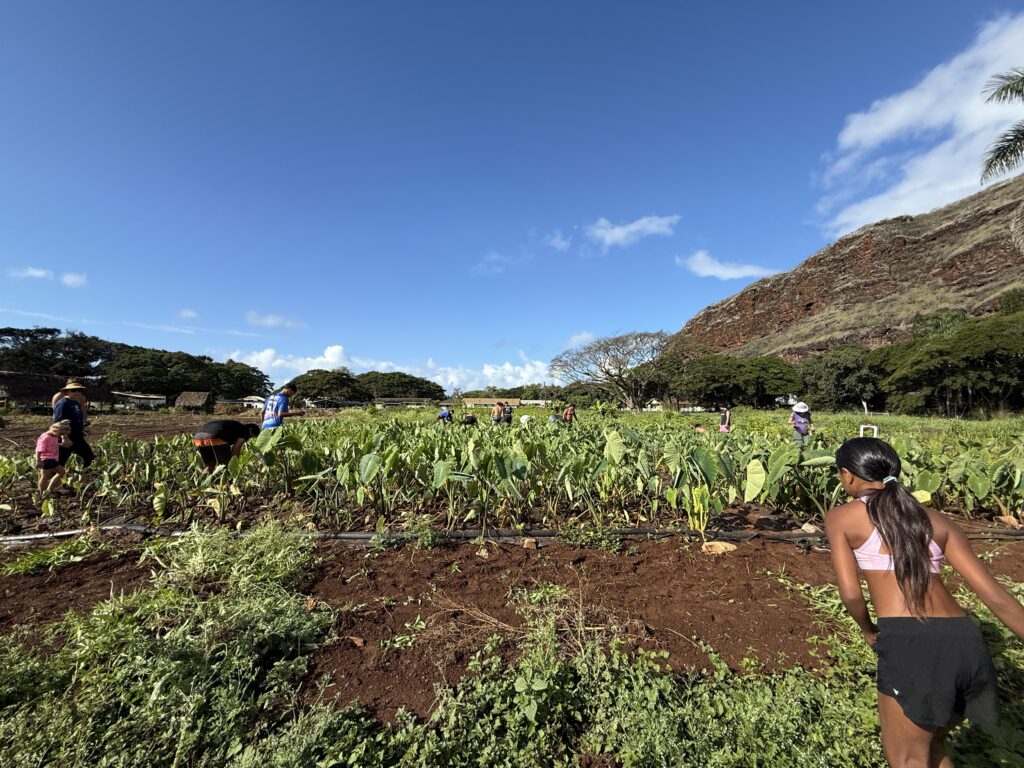
Community stewardship is at the heart of our work. Our volunteer days invite individuals, schools, and organizations to participate in native land rehabilitation, loʻi kalo restoration, and food sovereignty efforts rooted in aloha ʻāina.
03.
Donation
Your contribution fuels land restoration, expands educational access, supports workforce training, and increases local kalo production. With your support, we secure long term community access to affordable native Hawaiian staple foods.
Our Vision
To build and perpetuate a foundation of Aloha ‘Āina through culturally-based Native Hawaiian education programming to grow self-aware, self-determined and self-directed critical thinkers for a sustainable Hawaiʻi.
Our Mission
Kumano I Ke Ala exists to elevate indigenous knowledge to revitalize traditional food systems to save the world.
Our Approach
We operate at the intersection of land restoration, cultural perpetuation, education, and economic development.
Since 2015, Kumano I Ke Ala has stewarded over 50 acres of indigenous agricultural land in West Kauaʻi and now stewards 97 acres across West Kauaʻi and the North Shore of Oʻahu. Through revitalization of loʻi kalo and sustainable agricultural practices, we restore spaces that nourish both land and people.
Our approach includes:
- Designing and restoring traditional agricultural spaces
- Increasing commercial production of kalo to secure long term access to native Hawaiian staple foods
- Providing workforce pathways that transition community members into nature based green jobs
- Engaging youth in hands on ʻāina based education
- Strengthening community through collective stewardship
We are both a nonprofit and a social enterprise, increasing local production while reinvesting in education and restoration.
Get Involved
Why This Work Matters
Hawaiʻi imports approximately 90 percent of its food. This level of dependence leaves our islands vulnerable to natural disasters, global instability, and supply chain disruptions. If the boats stop coming, our communities face serious risk.
Yet the urgency extends beyond disaster preparedness.
Rebuilding local food systems strengthens community health, creates meaningful employment, keeps resources circulating locally, reduces environmental impact, and restores cultural connection to ʻāina. Locally grown food is more nutritious, better tasting, and more deeply rooted in place.
For us, food sovereignty is not an abstract concept. It is a practical and cultural imperative.
Kumano I Ke Ala emerged from the recognition that restoring traditional agriculture and elevating indigenous knowledge are essential pathways toward long term community resilience.
Make a Difference Today
Your contribution matters.
Support our mission by making a donation.
Our future work continues to expand restoration efforts, increase local food production, deepen workforce pathways, and strengthen educational programming.
We believe that by elevating indigenous knowledge and restoring traditional food systems, we not only secure Hawaiʻi’s future but contribute to a broader vision of global sustainability rooted in ancestral wisdom.
This is not simply agriculture.
It is cultural perpetuation.
It is community resilience.
It is Aloha ʻĀina in action.